



 0
0
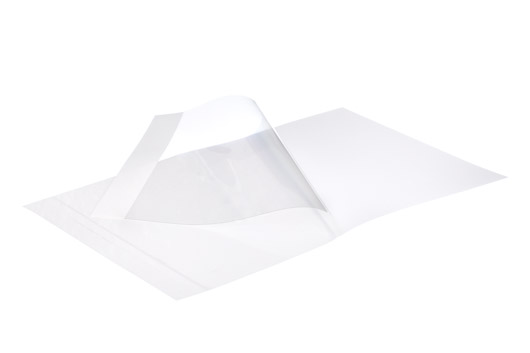
BREATHseal™ Sealer, Gas-Permeable, Non-Sterile
Catalog No :
CAS Number :
Brand :
In Stock
Specifications:
| Application | Cell culture |
| Storage Temperature | Ambient |
| Product Type | sealers |
| Product Brand | Greiner Bio-One |
| Product Grade | Cell Culture |
The BREATHseal™ Sealer is a gas-permeable, pierceable adhesive membrane designed for the cultivation of bacteria, yeast, and cells in microplates. Constructed from heat-sealed rayon fibres and coated with an acrylate adhesive, this specialized sealing film provides a secure closure while allowing optimal oxygen exchange.
The unique pore structure (10–50 µm) acts as a filter that permits air flow while reliably preventing contamination by airborne bacteria.
Key Features
- Gas-Permeable Design: Supports microbial and cell culture by ensuring consistent oxygen supply.
- Protective Barrier: Multi-layer pore structure blocks airborne bacterial contamination.
- Pierceable Membrane: Enables sample access without removing the seal.
- Acrylate Adhesive Coating: Provides secure adhesion to microplates.
- Material: Heat-sealed rayon fibres ensure durability and filter function.
- Non-Sterile Supply: Delivered in bulk packaging for laboratory use.
Applications
- Cultivation of bacteria, yeast, and cell cultures in microplates.
- High-throughput culture experiments requiring aeration.
- Long-term cell-based assays with gas exchange needs.
- General research and laboratory use in microbiology and molecular biology.
Product Details
| Property | Value |
|---|---|
| Product Name | BREATHseal™ Sealer, Gas-Permeable |
| Item Number | 676050 |
| Sterility | Non-sterile |
| Packaging Dimensions | 310 × 250 × 170 mm |
| Packaging Weight | 6.50 kg |
| PAL | 143000 |
| Adhesive | Acrylate |
| Material | Heat-sealed rayon fibres |
| Pore Size | 10–50 µm |
| Special Properties | Gas-permeable, pierceable |
| Intended Use | For Research Use Only (RUO) |
The Greiner Bio-One BREATHseal™ Gas-Permeable Sealer is an excellent solution for microbial and cell cultivation in microplates, combining secure adhesion, reliable contamination protection, and optimal oxygen supply. Its pierceable, filter-like design makes it especially useful for long-term and high-throughput biological experiments.