



 0
0
Lipopolysaccharides from Escherichia coli O111:B4
Catalog No :
CAS Number :
Brand :
In Stock
purified by phenol extraction
Specifications:
| Application | molecular biology | ||
| Storage Temperature | Ambient | ||
| Product Type | Biochemical Reagent | Forms | lyophilized powder |
| Product Brand | Sigma-Aldrich | ||
| Product Grade | Analytical grade | ||
Sigma-Aldrich™ Lipopolysaccharides (LPS) from Escherichia coli O111:B4 is a high-quality, phenol-extracted endotoxin widely used in advanced immunological and inflammatory research applications. As a well-characterized component of the outer membrane of Gram-negative bacteria, LPS serves as a reliable model for studying host-pathogen interactions and innate immune responses.
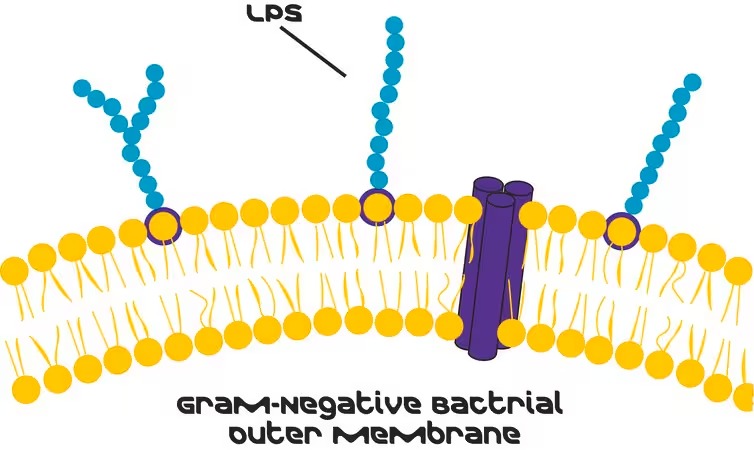
This product contains the complete LPS structure, including lipid A, core oligosaccharide, and O-antigen, enabling consistent activation of immune signaling pathways. It is extensively used in both in vitro and in vivo models to investigate cytokine production, inflammatory cascades, and cellular response mechanisms.
Key Features
- High-quality phenol-extracted LPS from E. coli O111:B4
- Well-characterized endotoxin for TLR4-mediated immune activation
- Complete structural integrity (lipid A, core, O-antigen)
- Proven performance in inflammation and cytokine induction studies
- Suitable for both cell-based assays and animal models
- Widely referenced in peer-reviewed immunology research
Applications
- Stimulation of macrophages and immune cells
- B-cell activation and immune response studies
- Induction of nitric oxide synthase (NOS) in hepatocytes
-
Development of in vivo inflammatory disease models, including:
- Acute kidney injury (AKI)
- Acute respiratory distress syndrome (ARDS)
- Hyperinflammatory responses in viral infection studies
- Toll-like receptor (TLR4) signaling pathway research
- Evaluation of anti-inflammatory therapies and biologics
Biochemical & Physiological Actions
Lipopolysaccharides are essential components of the outer membrane of Gram-negative bacteria, playing a key role in bacterial defense and structural integrity. The biologically active lipid A moiety is primarily responsible for triggering host immune responses.
Upon interaction with Toll-like receptor 4 (TLR4), LPS activates intracellular signaling pathways that lead to the production of pro-inflammatory cytokines, including:
- Tumor necrosis factor alpha (TNF-α)
- Interleukin-1 (IL-1)
- Interleukin-6 (IL-6)
These responses make LPS an indispensable tool for studying innate immunity, inflammation, and sepsis-related mechanisms.
Preparation & Solubility
- Soluble in water (up to 5 mg/mL) and cell culture media (up to 1 mg/mL)
- Higher concentrations (~20 mg/mL) achievable in aqueous saline with vortexing and heating (70–80°C)
- Solutions typically appear hazy due to micelle formation, which is a characteristic property of LPS
- Organic solvents do not improve clarity; aqueous systems are recommended for consistent results
Technical Specifications
| Parameter | Details |
|---|---|
| Product Type | Lipopolysaccharide (LPS) |
| Source | Escherichia coli O111:B4 |
| Extraction Method | Phenol extraction |
| Molecular Composition | Glycolipid (lipid A, core oligosaccharide, O-antigen) |
| Biological Target | TLR4 (primary), TLR2 |
| Form | Lyophilized powder |
| Solubility | Water and aqueous buffers (hazy solutions) |
| Application | Immunology, inflammation, and cell signaling research |
The Sigma-Aldrich™ Lipopolysaccharides (LPS) from Escherichia coli O111:B4 is a trusted and widely validated reagent for studying innate immune activation and inflammatory responses. Its well-defined structure, consistent biological activity, and extensive use in both cellular and animal models make it an essential tool for laboratories engaged in immunology, infectious disease research, and drug development.
- Pack Size: 10mg 100mg 25mg