










 Contact us
  My Experiments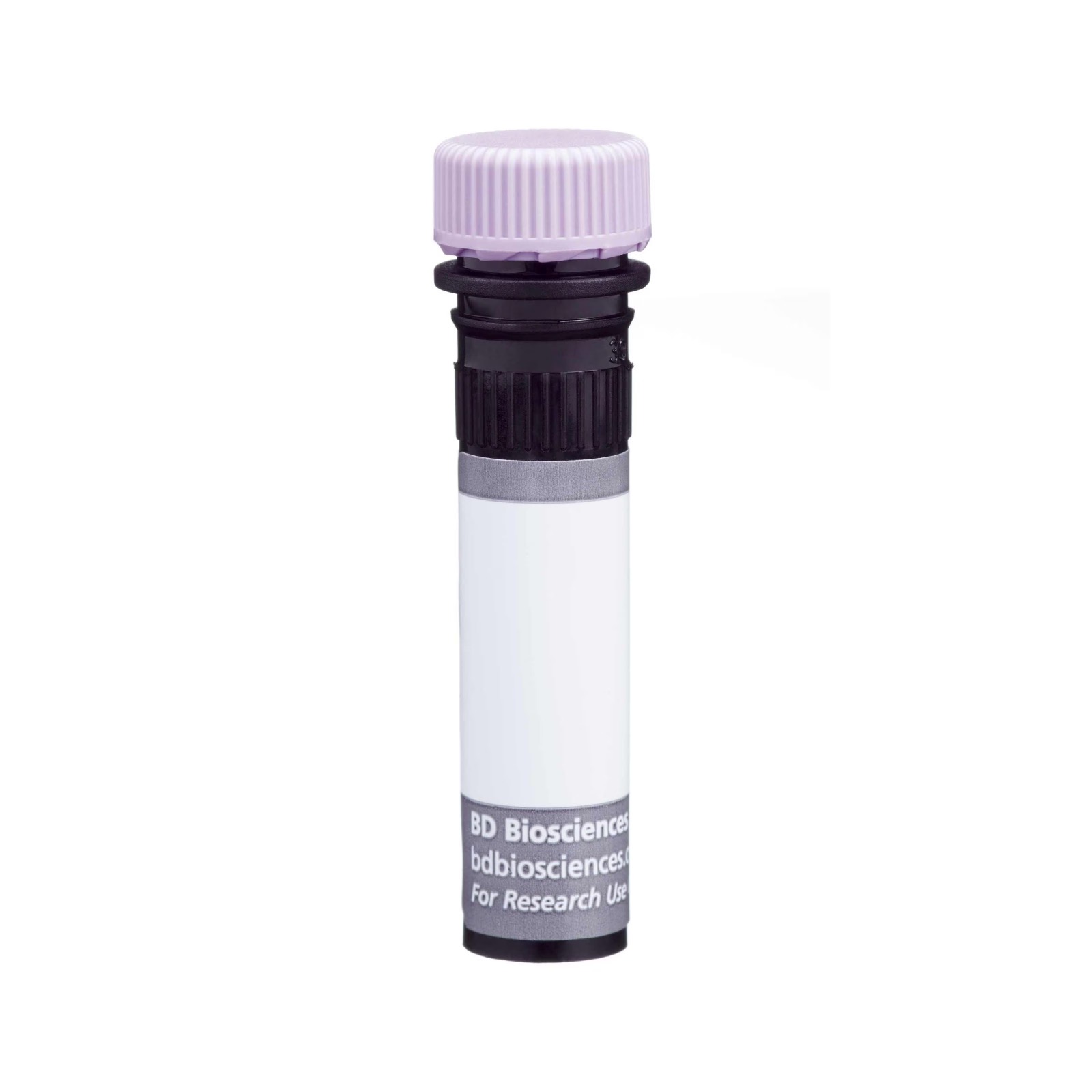
The EH12.1 monoclonal antibody specifically binds to CD279 which is also known as Programmed cell death 1 (PD1). CD279 is an immunoregulatory receptor expressed on activated T cells, B cells, and myeloid cells. It contains an immunoreceptor tyrosine-based inhibitory motif (ITIM) in the cytoplasmic region. Mice deficient in CD279 show a breakdown of peripheral tolerance and manifest multiple autoimmune symptoms. PD-L1 and PD-L2 are ligands of CD279 and members of the B7 gene family. CD279:PD-Ligands interaction inhibits T cell proliferation and cytokine secretion. Reports suggest that the B7/CTLA-4 pathway primarily attenuates, limits, and/or terminates naïve T-cell activation in secondary lymphoid organs. The PD-ligand:CD279 pathway, on the other hand, may primarily attenuate, limit, and/or terminate T-, B-, and myeloid cell activation/effector function at sites of inflammation in the periphery.

No resources are currently available for this product.
The EH12.1 monoclonal antibody specifically binds to CD279 which is also known as Programmed cell death 1 (PD1). CD279 is an immunoregulatory receptor expressed on activated T cells, B cells, and myeloid cells. It contains an immunoreceptor tyrosine-based inhibitory motif (ITIM) in the cytoplasmic region. Mice deficient in CD279 show a breakdown of peripheral tolerance and manifest multiple autoimmune symptoms. PD-L1 and PD-L2 are ligands of CD279 and members of the B7 gene family. CD279:PD-Ligands interaction inhibits T cell proliferation and cytokine secretion. Reports suggest that the B7/CTLA-4 pathway primarily attenuates, limits, and/or terminates naïve T-cell activation in secondary lymphoid organs. The PD-ligand:CD279 pathway, on the other hand, may primarily attenuate, limit, and/or terminate T-, B-, and myeloid cell activation/effector function at sites of inflammation in the periphery.
No resources are currently available for this product.