



 0
0
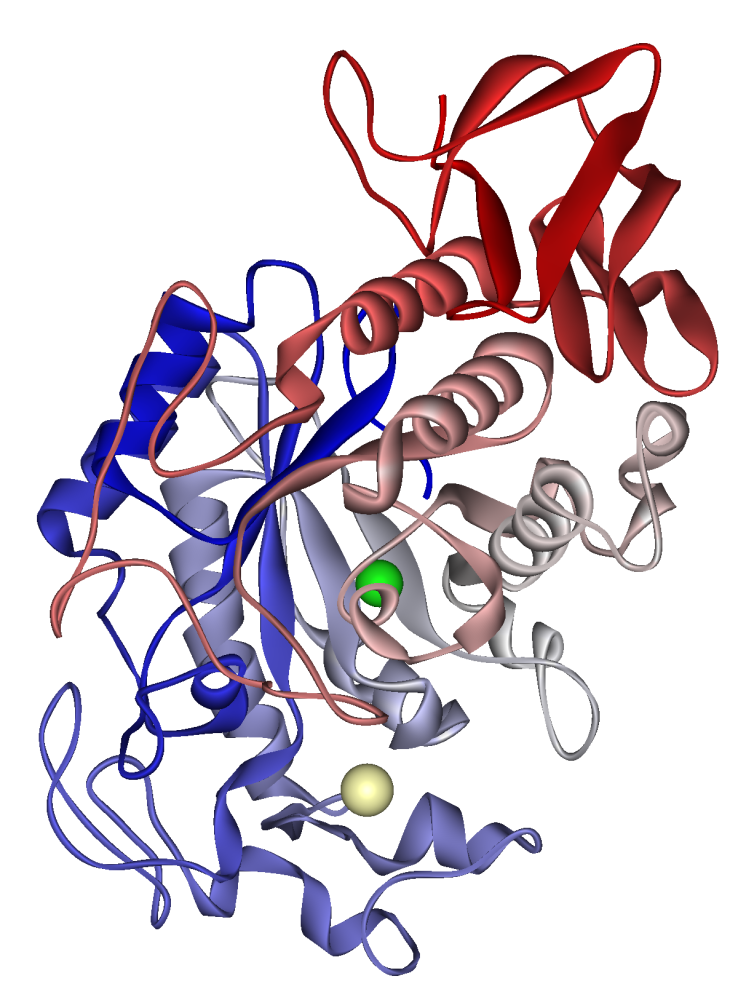
MCE β-Amylase, Bacillus subtilis, 1g
Catalog No :
CAS Number :
Brand :
In Stock
Enzyme Activity: ≥50 U/mg soild
Specifications:
| Application | cell Signalling | ||
| Storage Temperature | Room Temperature | ||
| Product Type | Enzymes and Substrates | Forms | Solid |
| Product Brand | MedChem Express | ||
| Product Grade | Analytical grade | ||
β-Amylase from Bacillus subtilis is a high-activity starch-degrading enzyme widely used in biochemical research, carbohydrate metabolism studies, industrial enzymology, and plant or microbial pathway investigations. This enzyme specifically catalyzes the exo-hydrolysis of α-1,4-glycosidic linkages in polysaccharides such as starch and glycogen, releasing maltose units from the non-reducing ends.
This microbial β-amylase displays robust activity under moderate acidic conditions (pH ~5.6) and elevated temperatures (≈60 °C), making it highly suitable for controlled starch processing reactions in experimental systems. As a degradative enzyme, it plays a key role in understanding saccharification, carbohydrate turnover, enzymatic hydrolysis kinetics, and fermentation feedstock optimization.
Biochemical Function
β-Amylase catalyzes:
- Exo-acting hydrolysis of α-1,4 glycosidic bonds
- Sequential release of maltose units
- Breakdown of gelatinized or soluble starch
Unlike α-amylase—an endo-acting enzyme—β-amylase produces defined maltose products, making it ideal for:
- Saccharide profiling
- Maltose production studies
- Enzymatic digestion assays
- Pathway mapping in carbohydrate metabolism
Origin
- Derived from microbial fermentation of Bacillus subtilis
- Produces consistent high activity and purity
- A preferred alternative to plant-derived β-amylases due to its stability and reproducible performance
Enzyme Activity
- ≥50 U/mg solid
-
Unit Definition:
One unit is defined as the amount of enzyme required to release 1 mmol of maltose from 2% soluble starch per hour at 60 °C, pH 5.6.
This standardized activity definition ensures precise reproducibility across experimental workflows.
Applications
1. Carbohydrate Metabolism & Biochemistry
- Study of starch degradation pathways
- Measurement of enzymatic kinetics
- Mapping of polysaccharide hydrolysis profiles
2. Industrial & Applied Research
- Maltose production systems
- Brewing and fermentation research
- Enzyme-assisted food processing
- Starch liquefaction and saccharification experiments
3. Analytical Research
- Determination of starch structure
- Monitoring starch breakdown in plant biology studies
- Quantifying enzymatic conversion efficiency
4. Comparative Enzymology
- Used in combination with α-amylase, glucoamylase, or cellulases to study synergistic polysaccharide degradation
- Useful for identifying substrate preference and enzyme kinetics
Specifications
| Parameter | Value |
|---|---|
| Product Name | β-Amylase, Bacillus subtilis |
| CAS Number | 9000-91-3 |
| EC Number | 3.2.1.2 |
| Appearance | Solid |
| Color | White to off-white |
| Activity | ≥50 U/mg solid |
| Unit Definition | 1 mmol maltose released from 2% starch/hr at 60 °C, pH 5.6 |
| Source | Microorganisms (Bacillus subtilis) |
| Application Area | Biochemical studies, starch degradation, enzymology |
| For Research Use Only | Not for use in diagnostic or therapeutic applications |
MCE β-Amylase from Bacillus subtilis is a high-quality, high-activity microbial enzyme ideal for detailed starch degradation studies, enzymatic hydrolysis modeling, maltose production assays, and broad biochemical research applications. Its well-defined activity parameters, microbial origin, and excellent stability under assay conditions make it a reliable and versatile tool for laboratories working in enzyme kinetics, carbohydrate chemistry, plant sciences, fermentation research, and industrial biotechnology.